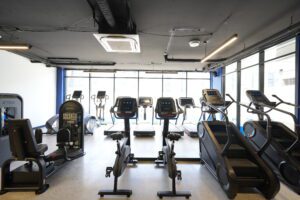
Exciting New Arrivals at St Peters: Welcoming Plus Fitness and Greenroom Robotics
- October 30, 2024

What Good Property Management Should Feel Like
A message goes unanswered. A repair drags on. Something that should be straightforward becomes unclear. Small issues start to feel bigger, not because they are impossible to solve, but because the process around them adds friction, stress and uncertainty. Over time, that affects how a person experiences their home.
That is why good property management should never be understood as an invisible admin layer sitting behind the rental experience. It is part of the rental experience.
At its best, property management should feel clear, responsive and human. It should give residents confidence that their home is being looked after properly and that when something needs attention, it will be handled in a reasonable, respectful way. It should reduce mental load, not add to it.

In practical terms, good property management begins with communication. People should know how to raise a question, where to send a request and what kind of response to expect. They should not have to guess whether a message has been seen or whether a repair has been logged. Even when something cannot be resolved immediately, clarity matters. It tells residents that the issue is understood and that there is a process in motion.
That sense of clarity can change the emotional tone of renting in a major way.
When people know what is happening, they feel less like they are chasing and more like they are being supported. That is important whether the issue is large or small. Sometimes what residents need most is not perfection. It is confidence that someone competent is paying attention.
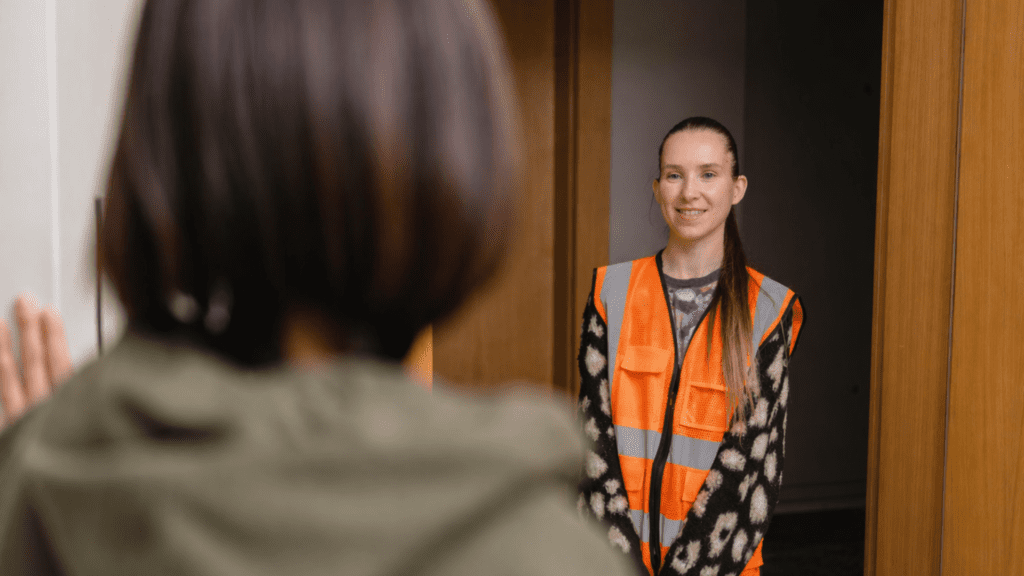
The second part of good property management is responsiveness. This is not about making unrealistic promises. It is about recognising that a home is not a side issue in someone’s life. It is where people sleep, study, recover, parent, work from home and prepare for what comes next. When a home issue interrupts that, it matters. A slow response can create disproportionate stress because it affects the setting where daily life happens.
In NSW, guidance on repairs and maintenance makes it clear that rented homes should be maintained in a reasonable state of repair, and that urgent and non-urgent issues should be treated appropriately. These are not abstract standards. They shape how secure and functional a home feels over time.
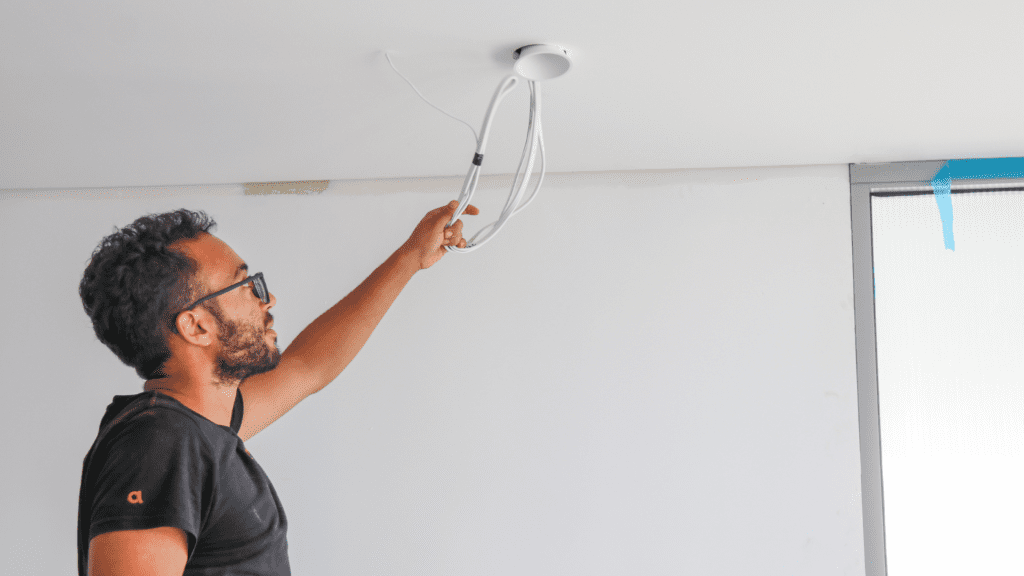
Well-managed homes tend to feel different before anything goes wrong. Shared spaces are looked after. Communication is easier. Maintenance feels part of the culture rather than a last resort. Residents sense that there is care in the background. This creates trust, and trust changes the whole experience of renting.
At arriva, that idea matters because support should not feel distant or transactional. Renting works better when people feel there is a real team behind the home, not just a system they have to navigate alone. This is especially relevant for residents juggling demanding schedules, such as students in peak study periods, health professionals working long shifts, or families trying to keep daily routines moving.

That means respecting people’s time, their privacy and the fact that home is personal. It means communicating with enough notice, using clear language and handling access or repair processes professionally. Even routine interactions help shape whether residents feel like they are being treated as people or merely as tenancy records.

Another sign of good property management is consistency. One quick response is helpful, but consistency is what creates confidence. Residents should not have to hope they catch the right person on the right day. The experience should feel dependable over time. That reliability matters because home is a long-term environment. It is not a one-off transaction.
There is also a wellbeing aspect to this. Healthdirect notes that ongoing stress can affect wellbeing, and workplace or life pressures already place demands on many people. When renting itself becomes another source of uncertainty, it can compound that pressure. When support is clear and issues are resolved properly, the opposite happens: mental load is reduced. Relaxation techniques for stress relief can help, but a better home experience can remove some of that pressure at the source.
This is one reason people increasingly value no-headache renting.
No-headache renting does not mean nothing ever needs fixing. It means the systems around the home work properly. It means maintenance feels manageable. It means residents know where to go, what will happen next and that someone is accountable. It means the practical side of renting has been designed to feel easier.
That kind of support is especially important in homes that are meant to be lived in long term. A place can only feel settled if the operational side of renting is dependable. If the structure around the home is chaotic, even a beautiful apartment can feel tiring to live in. On the other hand, when support is responsive and clear, even ordinary daily life can feel lighter.

Good property management should also reflect local understanding. Sydney renters are balancing transport, cost of living, schedules and the realities of urban life. Support needs to match that reality. It should be practical. Fast where it needs to be. Human in tone. Organised enough to remove guesswork.
For arriva, this aligns with the broader idea that home should be built to live in. A home should not only look good on inspection day. It should keep working well after move-in. It should support real routines, real responsibilities and real people. That includes the spaces residents see and the maintenance systems they do not. It is the same thinking that sits behind Build-to-Rent Explained: Here’s Why It’s the Future of Housing.

Importantly, good property management builds confidence over time. Residents are more likely to feel relaxed, settled and positive about where they live when the support experience is reliable. That does not come from slogans. It comes from everyday follow-through.
So what should good property management feel like?
It should feel easy to understand.
It should feel responsive when something matters.
It should feel respectful of people’s homes and time.
It should feel consistent, not random.
It should feel local, human and accountable.
And, ideally, it should feel quiet in the best way: present when needed, smooth in the background, and strong enough that residents can focus on living rather than troubleshooting.
That is what turns property management from a backend function into part of a better rental experience.
Because when the support behind a home is working properly, the home itself starts to feel more reliable, more comfortable and more liveable.
And that is exactly how it should be.
To explore homes supported by that kind of approach, you can find your home. For residents who want to get in touch directly, the Contact Us page is the clearest next step. If you want a broader view of renter rights and responsibilities, the Tenants’ Union NSW also has helpful tenant resources.
Share this news on