
Why Renting in December Is One of Sydney’s Smartest Moves
- December 17, 2025

The Signs of a Well-Managed Rental Building in Sydney
People can usually feel the difference in a building before they have fully explained it to themselves. Some buildings feel calm, cared for and easy to trust. Others feel more uncertain. Shared spaces look tired. Maintenance feels reactive. Things seem functional enough, but not especially well held together.
That difference matters more than people sometimes realise. A rental building is not only a container for apartments. It shapes the everyday experience of living there. It affects how supported residents feel, how reliable the environment seems, and whether the broader experience of renting becomes smoother or heavier over time.

The clearest signs are consistently maintained shared spaces, responsive management, organised maintenance and a steady, supported living environment. In a well-managed rental building in Sydney, residents notice that support is clear, communication is straightforward, and the building feels coherent rather than patched together. The rest of this article walks through each of those signs in detail.

One of the quickest indicators is the condition of the spaces everyone uses. Entryways, corridors, lifts, common areas and external presentation all say something about the standard behind the building. When these spaces feel clean, orderly and consistently maintained, residents notice. It creates confidence that the building is being looked after in ways that will continue.
When these areas feel neglected, the opposite happens. Even small signs of inconsistency can shape how people perceive the place as a whole. A well-managed building tends to feel coherent from the start. The details line up. The common spaces support the standard the apartments are promising.

Good rental property management is not only about presentation. It is also about process. Residents should know where to go when they need help. They should not have to decode the system or chase multiple people to get a simple answer. Clear communication, practical support and visible accountability all change how a building feels to live in.
This is one of the most underrated parts of good renting. A building may be physically attractive, but if the operational side feels scattered, confidence drops quickly. A well-managed building makes things easier to understand. Even when something needs attention, the path feels more straightforward. That is part of what makes a place feel professionally run rather than loosely held together.
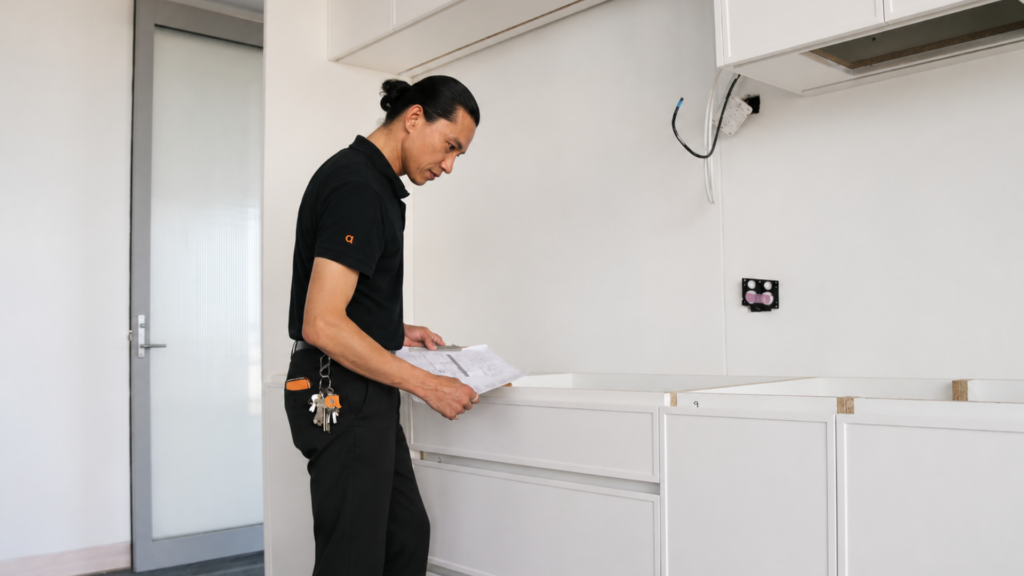
Residents notice very quickly whether maintenance feels like a proper system or an afterthought. In stronger buildings, support feels organised. Repairs are approached with more clarity. The tone around maintenance is not defensive or vague. It feels like part of how the building works.
That difference matters because maintenance is never only technical. It affects how comfortable and settled life feels inside the home. The Tenants’ Union NSW repairs and maintenance guide is useful here because it highlights how central upkeep is to the rental experience overall. Well-managed buildings do not only meet the minimum expectation. They tend to create more confidence around how issues will be handled in the first place.
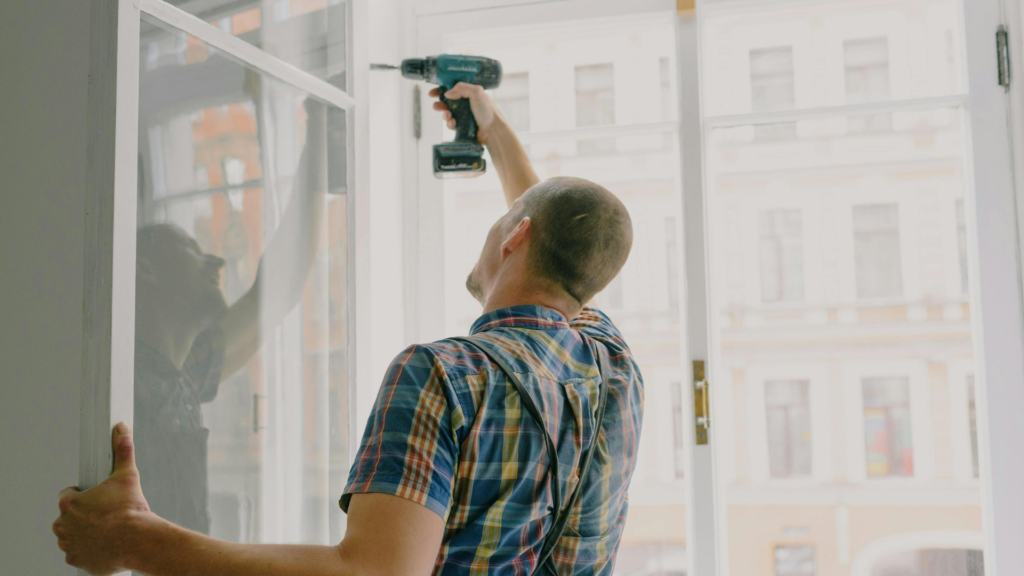
People may not see all the moving parts behind a building, but they often feel whether those parts are working. A well-managed rental building tends to have a kind of steadiness to it. It does not rely on constant patchwork. It feels like there are systems, people and routines in place that support the building properly over time.
That steadiness usually shows up in ways residents can actually notice on a normal week:
This is often what turns a building from “fine” into genuinely trustworthy.

A good apartment can still underperform if the building around it feels chaotic. That is why strong rental living is about more than what happens inside the front door. The wider environment shapes the experience too. Noise, access, safety, shared areas, cleanliness and support all influence whether residents feel relaxed or constantly adjusting.
This is exactly why better rental models have started to stand out. The difference is not only architectural. It is managerial. arriva’s perspective on Built to Rent: Transforming Australia’s Rental Market reflects this shift clearly. A better-managed building supports the home experience more fully, which changes how renting feels in practice.

The strongest buildings are not necessarily the ones making the loudest promises. They are usually the ones where residents slowly realise that things feel easier than expected. The environment feels calmer. Support is more consistent. Shared spaces stay in better condition. The building is not demanding unnecessary energy from the people living there.
That kind of trust builds quietly, but it matters deeply. It means residents spend less time troubleshooting the building and more time simply living in it. For many renters, that becomes one of the clearest signs that a place is worth staying in.
This may be the clearest sign of all. A well-managed rental building has a certain feel to it. Not because it is perfect, but because the care behind it is visible in ordinary ways. The place feels attended to. The building holds together well. The living experience feels more supported from the start.
That is the difference residents remember. And in the long run, it shapes much more than satisfaction. It shapes whether people trust the home, renew the lease, recommend the place or see the building as somewhere they can genuinely settle.
For renters who want to see that difference in practice, arriva’s Residences and Contact Us pages are the best next step. For a broader reference on rental rights and responsibilities, the Tenants’ Rights Information page is also helpful.
You can tell a rental building is properly maintained by the condition of the shared spaces, the speed and clarity of maintenance responses, and the overall consistency of the living experience. Clean lobbies, well-kept corridors and a clear maintenance process are some of the strongest tenant building standards to look for.
When inspecting a rental building, look beyond the apartment itself. Check the entryway, lifts, corridors and any shared amenities. Ask how maintenance requests are handled, who is responsible for building management, and how quickly issues are usually resolved. Responsive answers are a strong sign of good rental property management.
Indicators of a well-managed rental building include consistently maintained shared spaces, clear and accessible support, organised property maintenance for the rental, visible accountability, and a stable, professional tenant experience week to week. Together, these signal a building that is being actively managed rather than just monitored.
Yes. Building management strongly shapes the tenant experience. It influences how quickly issues are resolved, how supported residents feel, how comfortable shared spaces are to use, and how dependable the home feels over time. A well-managed rental building in Sydney usually translates directly into a calmer, more settled day-to-day life for renters.
Share this news on