
What’s Better: Renting or Buying a Home in Australia?
- March 04, 2026

Why On-site Maintenance Makes Renting Easier
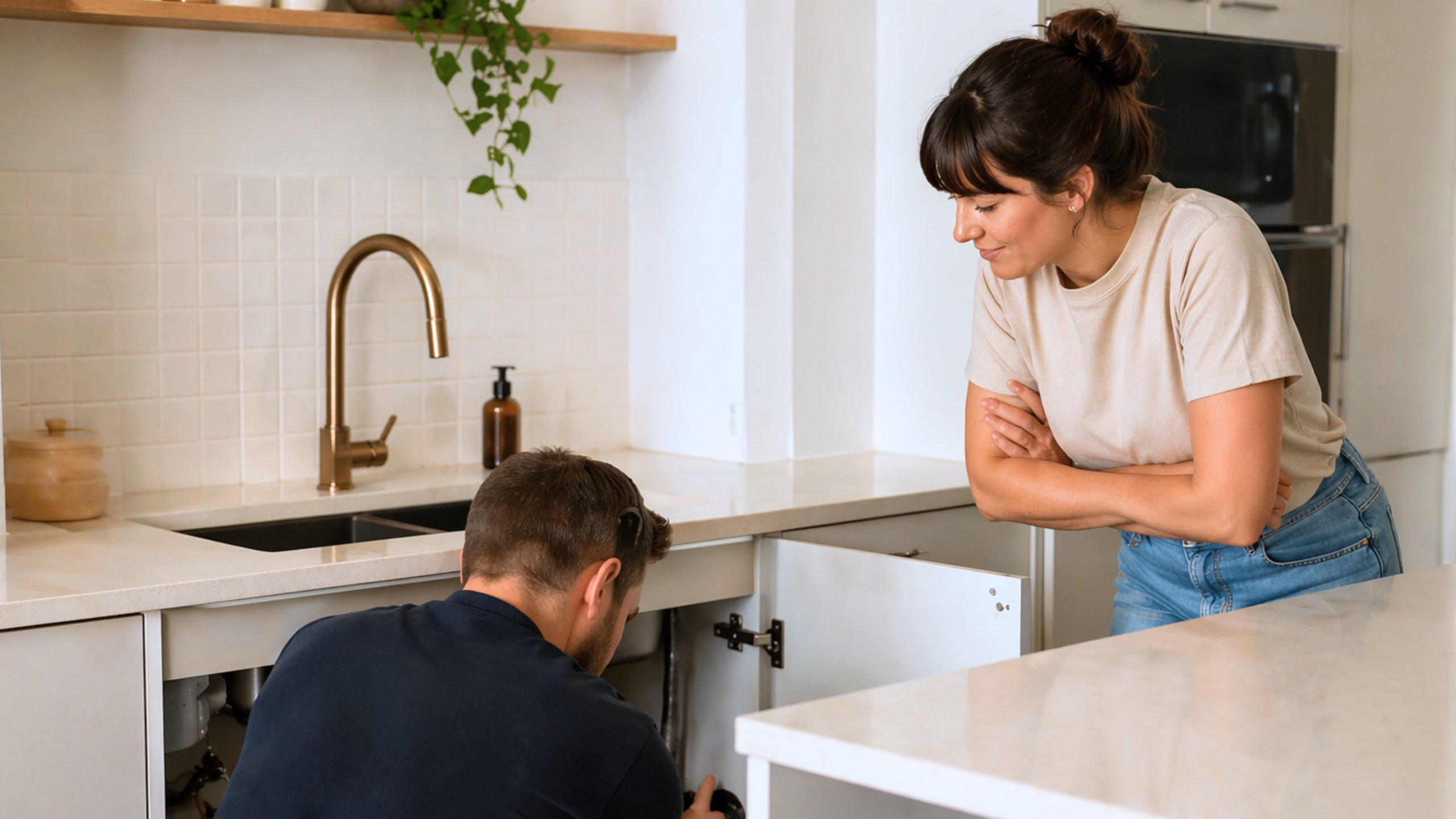
Most renters do not spend much time thinking about maintenance until something goes wrong.
A tap leaks. An appliance stops working. A door needs attention. Suddenly, the quality of the rental experience is no longer about the apartment itself. It becomes about how quickly issues are handled, how clearly communication happens, and whether the process feels manageable or frustrating.
That is exactly why on-site maintenance matters.
It is not just an operational detail. It is one of the clearest ways a rental home either supports daily life or makes it harder.
When people talk about a good rental, they often start with the obvious things: location, layout, price, light, space.
But long-term satisfaction usually comes down to what happens after someone moves in.
A home can look great at first, but if repairs are slow, communication is unclear, or every small issue becomes a process, daily life starts to feel heavier. That is why maintenance is not a background issue. It is part of what makes a home feel dependable.
On-site maintenance changes that experience because it creates a stronger system around the home. It makes support feel closer, more practical and more responsive.
One of the biggest frustrations renters face is not always the issue itself. It is the waiting.
Waiting for a reply.
Waiting for someone to inspect the problem.
Waiting for the right person to be booked.
Waiting for clarity around what happens next.
That delay can create more stress than the original problem.
On-site maintenance reduces that friction. It can make the path from issue to resolution much shorter and much clearer. That matters because home issues rarely arrive at a convenient time. They affect the place where people sleep, rest, study, work from home and manage family life.
In NSW, repairs and maintenance guidance from the Tenants’ Union NSW makes clear that rented homes should be kept in a reasonable state of repair. But beyond rights and obligations, renters also feel the difference when support is simply organised well.

In many rental situations, maintenance can feel scattered.
There might be an owner, an agent, a contractor and a delay in between each step. The renter ends up in the middle, following up on something that should be easier to solve.
That fragmented model is exactly what many renters find exhausting.
On-site maintenance creates a more professional experience. It signals that support is part of the structure, not an afterthought. It shows that the home is meant to be lived in properly, not just leased out and dealt with later.
This is one of the reasons purpose-led rental models feel different in practice. The support behind the home is stronger, so the home itself feels more reliable.
If you want a broader picture of that model, Build-to-Rent Explained: Here’s Why It’s the Future of Housing gives useful context.

On-site maintenance becomes even more valuable when renters are already carrying full schedules.
For a student, a repair issue in the middle of assignment deadlines can throw off the whole week.
For a health professional, chasing trades after long shifts is the last thing they need.
For a family, a home issue can quickly affect multiple people at once.
In all of those cases, faster and more straightforward support matters because it protects routine. It stops smaller issues from spreading into bigger stress.
That is a major reason why renters increasingly value no-headache living. Not because they expect perfection, but because they expect the process around the home to work properly.
A rental home feels different when residents believe things will actually be looked after.
That confidence changes how people live in a space. They feel more settled. More comfortable raising an issue early. More confident that the home will stay functional and well cared for over time.
Trust is one of the most important parts of the rental experience, and maintenance plays a major role in building it.
It also reflects something deeper about the brand behind the building. A well-supported home suggests that residents are not being treated like temporary transactions. It suggests care, accountability and a longer-term mindset.
That aligns closely with how arriva positions itself. The promise is not only about apartments. It is about building and managing homes that people can genuinely live from. People exploring that kind of rental experience can start with Find your home or browse Residences to understand the locations and communities better.

The biggest value of on-site maintenance is not only operational. It is emotional as well.
When support is clear, renters spend less energy worrying about what happens if something goes wrong. That lowers friction in everyday life.
And everyday life is where a home is really judged.
Does it support the routine?
Does it reduce unnecessary pressure?
Does it help people stay focused on life rather than logistics?
Those are the questions that matter over time.
Healthdirect’s guidance on relaxation techniques for stress relief is a reminder that stress builds from many small pressures. A home that works better does not remove all stress from life, but it can remove some of the avoidable kind.
In a crowded market, many rental messages sound similar.
Good location. Nice finishes. Great living.
But for renters, the difference is often in the experience after move-in. That is why on-site maintenance is not just a feature. It is a differentiator.
It says:
That matters because renting should not feel like a constant layer of follow-up and compromise.
It should feel like living.
And when the support behind the home is well structured, that becomes much easier to believe.
For renters who want a clearer view of their broader rights and responsibilities, the Tenants’ Union NSW resources page is also a helpful reference point.
Share this news on