
What’s Better: Renting or Buying a Home in Australia?
- March 04, 2026
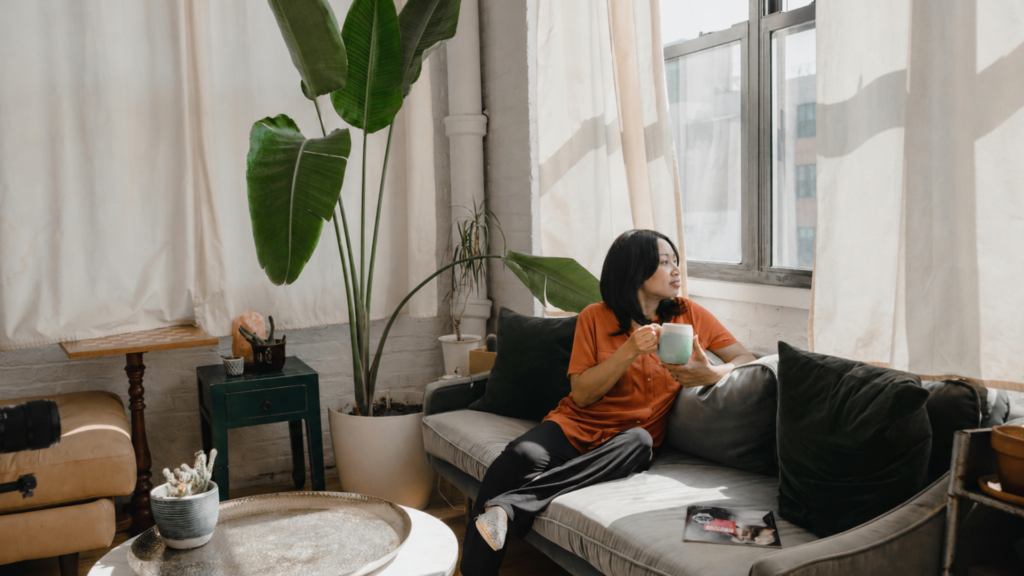
What Long-term Renters Actually Value In A Home
The rental homes people stay in long-term are not the flashiest. They are the ones where daily life feels consistently supported, the location works, and management is reliable. A long-term rental home in Sydney is worth staying in when the apartment, the building and the wider experience keep working together after move-in.
Not every rental home is designed to last in someone’s life. Some look appealing for a moment but begin to feel difficult once everyday reality sets in. Others become the kind of place people choose to stay in for years, not because they are flashy, but because they keep working in all the ways that matter.
That difference is worth paying attention to. The rental properties people stay in are not always the ones with the loudest selling points. More often, they are the ones where daily life feels calmer, more supported and less compromised over time. They are homes that become easier to live in, not harder.
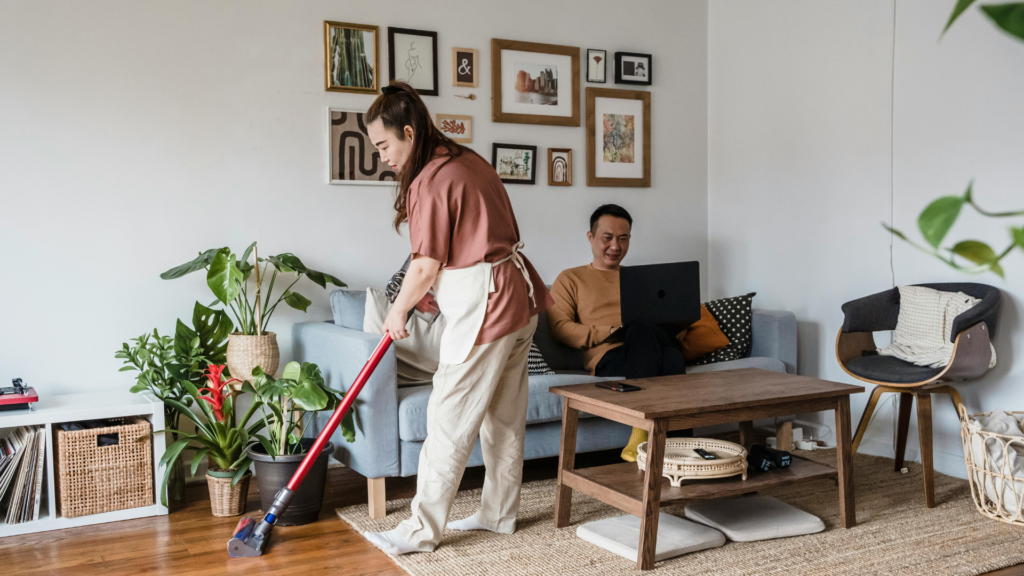
The real test of a home starts once the boxes are unpacked. That is when people begin to notice the practical things. Whether the kitchen works well enough for ordinary life. Whether the living area feels comfortable in the evening. Whether the bedroom actually allows for rest. Whether the apartment layout supports how someone moves through the day.
A rental home that people stay in is usually one that continues to make sense once routine takes over. The features feel useful rather than decorative. The comfort lasts. The home feels properly lived in, not just presented well. This is where liveability matters more than hype.
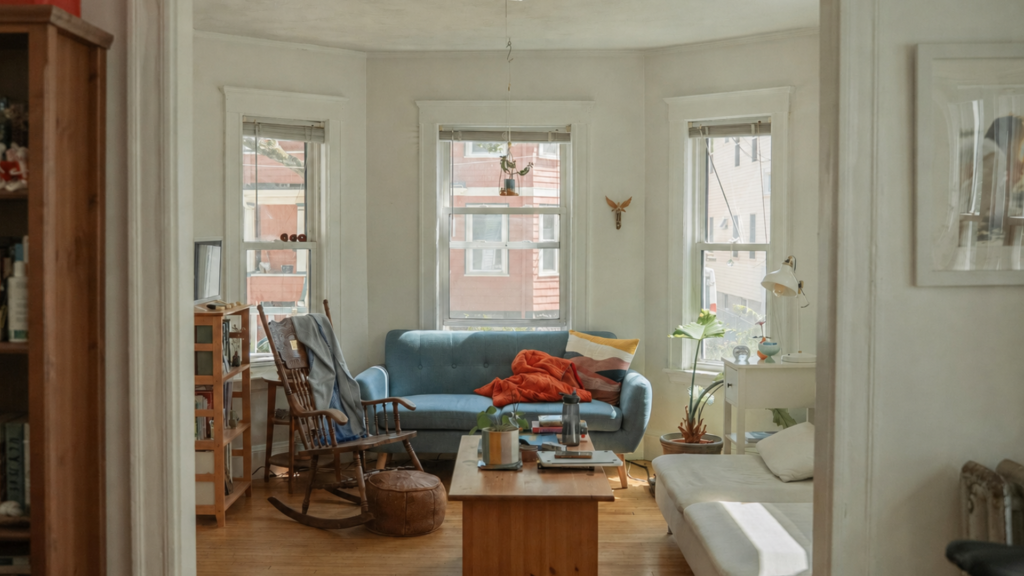
Some homes make life easier in ways that are hard to explain in a single feature list. It might be the sense of flow from room to room. It might be natural light that changes the mood of the space. It might be the fact that things feel quieter, calmer or more settled than expected.
People notice ease very quickly. They may not always describe it in those words, but they feel it. And when a home feels easier to live in, people are more likely to build routine there, rest better there, and imagine staying longer. That matters for students, professionals and families alike.
Student renters, for example, are often choosing between homes that vary greatly in how well they support independence, study and daily rhythm. Guidance from Study Australia on accommodation is useful because it highlights the broader decision students are making, not just the fact that they need a place to live.
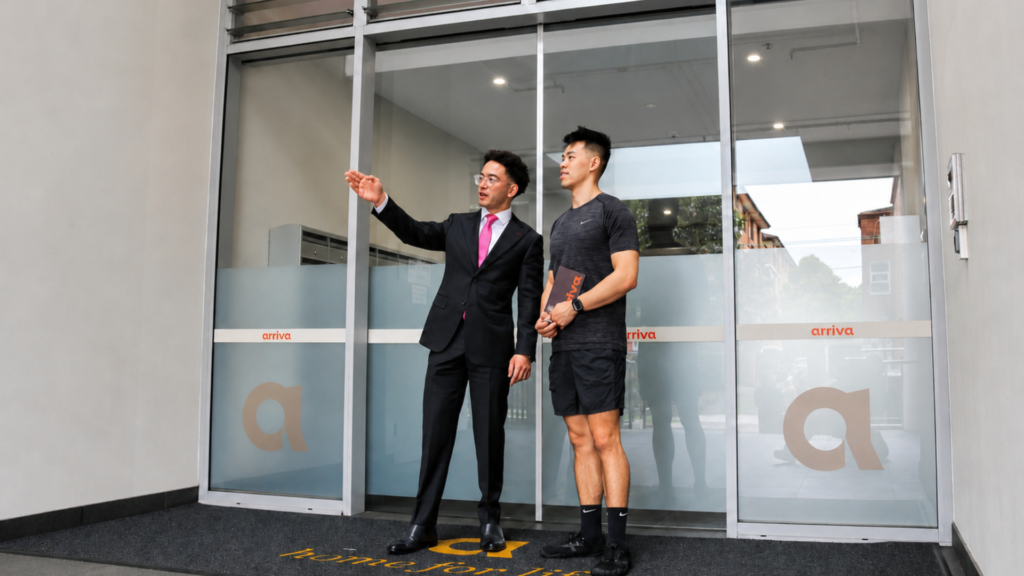
A good rental home is never only about the apartment. It is also about the experience around it. The building. The support. The maintenance. The way issues are handled. The sense that someone is paying attention to the things residents should not have to chase constantly.
This becomes one of the clearest differences between homes people leave, and homes people renew. When support is scattered, even a decent apartment can start to feel tiring. When support is clear and consistent, the home itself feels more dependable. This is one of the biggest reasons some rental properties feel worth staying in. They are not only comfortable. They are supported well enough that daily life has fewer avoidable interruptions.

There is something very distinct about a home that feels grounded. It does not feel temporary in spirit, even if the lease is still a lease. It gives people room to settle into their own patterns. It supports the kind of life they are living now, rather than making them feel like they are waiting for some better version of home later.
That matters because renting is no longer only a short stop for many people. More renters want stability, dignity and a living experience that respects the fact that home is a serious part of life, not just a stopgap. Affordable rental options that also offer long-term leases, pet-friendly buildings and a real sense of community help make that possible.
That broader point of view is part of what makes Are There Really Benefits Renting Instead of Buying in Sydney? relevant. The question is no longer only about ownership. It is also about what kind of home experience someone can create right now.

The homes people stay in tend to share a few quiet patterns:
This is true whether the renter is a student adjusting to independent living, a professional trying to protect time and energy, or a family building a steadier rhythm. People do not usually stay because one feature dazzled them. They stay because the home continues to work as life unfolds. That is a much deeper kind of value.

One of the interesting things about strong rental homes is that they often do not need to perform too loudly. They are not relying on one dramatic selling point. They are strong because the whole experience makes sense.
That might be why some homes feel easier to trust from the beginning. The apartment feels well considered. The location is practical. The support is clear. The building feels cared for. The result is a home that feels coherent rather than pieced together.
This is where arriva’s approach stands apart. Through Residences, the emphasis is not only on offering apartments. It is on offering homes where the living experience continues to hold up over time.

That may be the simplest way to say it. The kind of rental home people stay in tends to feel quietly right.
Not performative. Not overcomplicated. Not difficult to maintain emotionally.
Just right enough, day after day, that people keep choosing it. And when renters find that kind of home, they notice it in the most ordinary moments:
Those are not dramatic things. But they are the things that turn a rental into the kind of home people choose to stay in.
For renters exploring that next step, Find your home is the clearest place to start. And for students or younger renters making housing decisions for the first time, Accommodation: know your rights is a useful reference alongside the search.
A rental home is worth staying in long-term when the apartment, the building and the management consistently support everyday life. That usually means a layout that suits real routines, a location that reduces friction, responsive maintenance, and a community-oriented building rather than one that feels purely transactional.
Students should look for a rental property that is close to campus or reliable transport, has a layout that supports study and rest, comes with a clear maintenance process, and is part of a building where the management actually responds. Long-term leases and pet-friendly options are also worth checking if independence is part of the decision.
Built-to-rent is a model where an entire building is purpose-built, owned and operated by one provider for the long-term rental market, rather than sold off as individual apartments. In Sydney, that usually means more consistent management, longer lease options, pet-friendly policies, and shared spaces designed to support community living.
The strongest signals are usually quiet ones: a building that feels clean and cared for on inspection, clear answers about maintenance and support, sensible lease terms, and a location that genuinely fits the renter’s daily life. If those things line up, the home is much more likely to keep working months later.
Share this news on